Skip to main content
Landscape East
Home
Landscape Typology
User Guide
Gallery
Glossary
Resources
Links
You are here
Home
»
Landscape Character Types
Lowland Village Chalklands
Summary
Overall description:
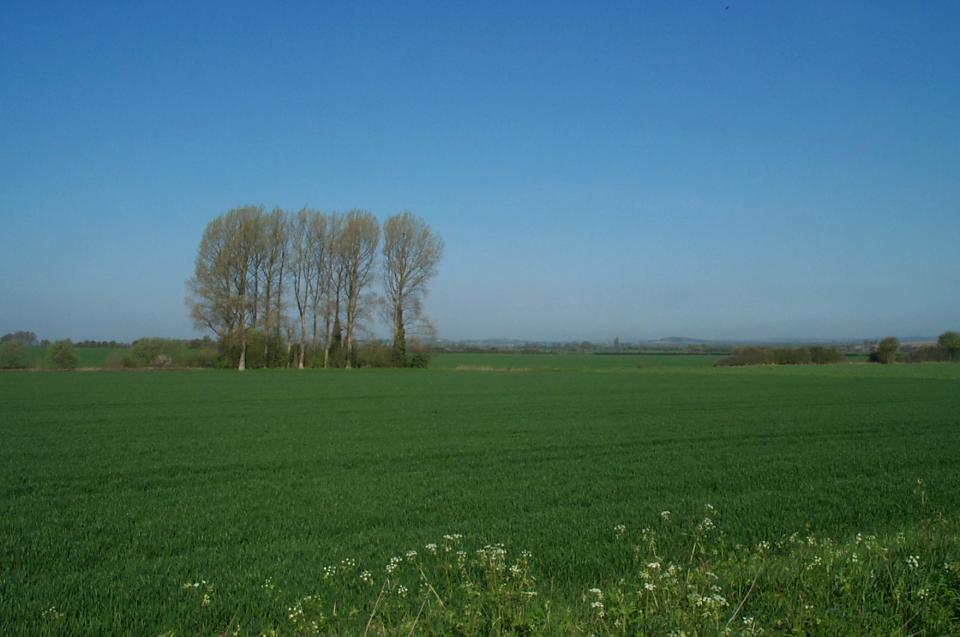
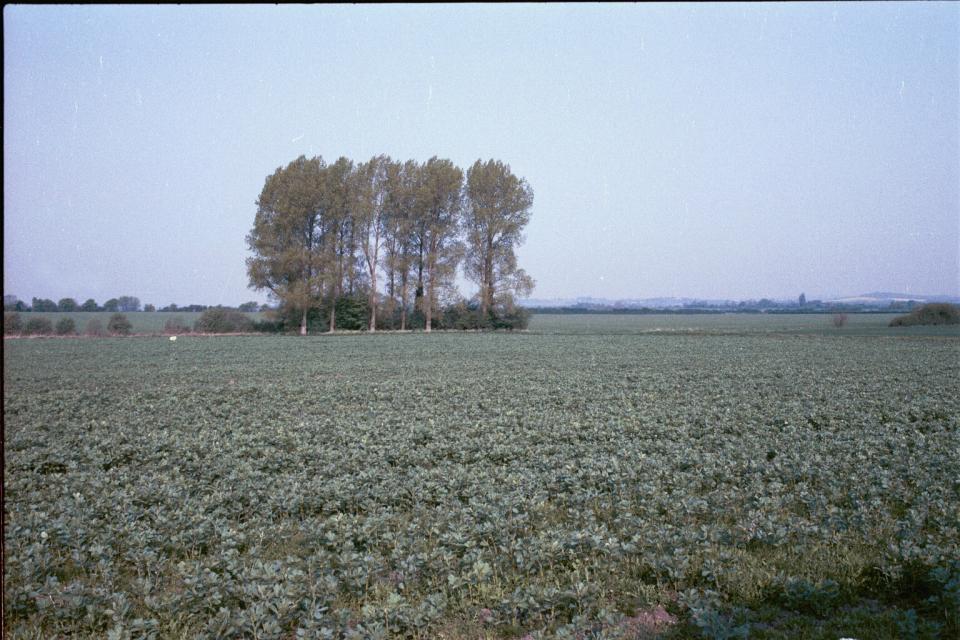
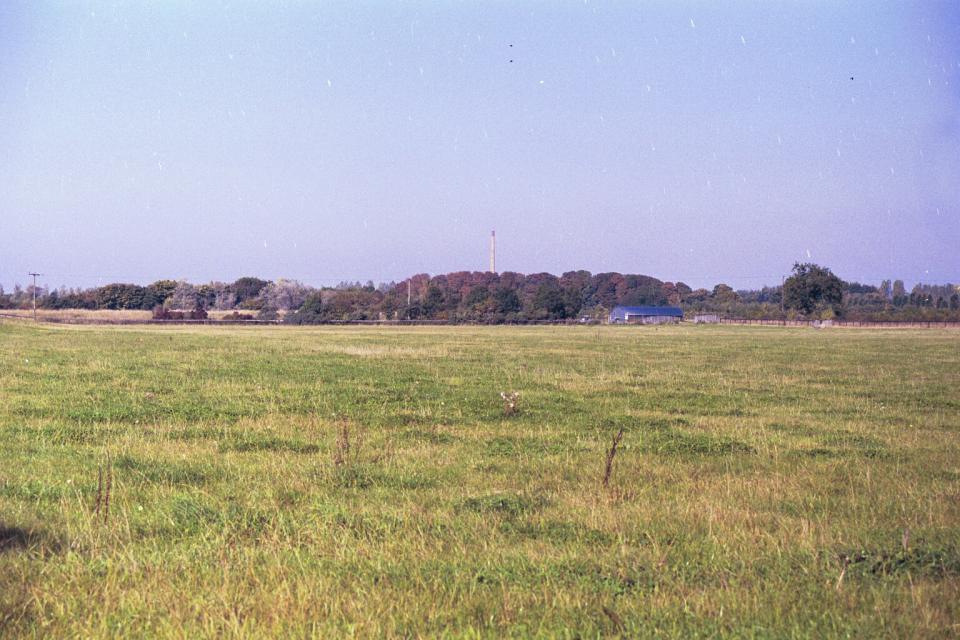
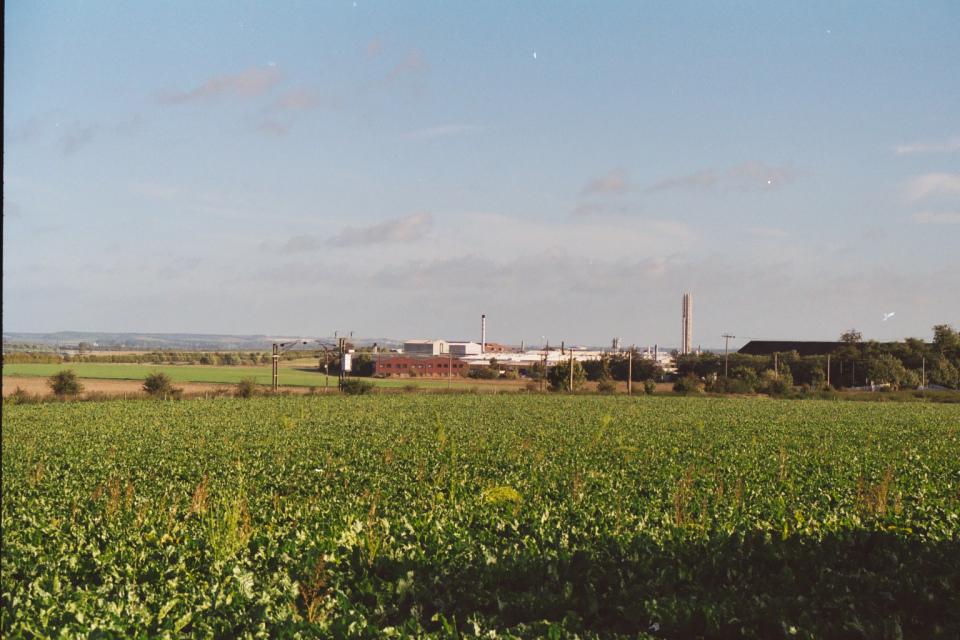
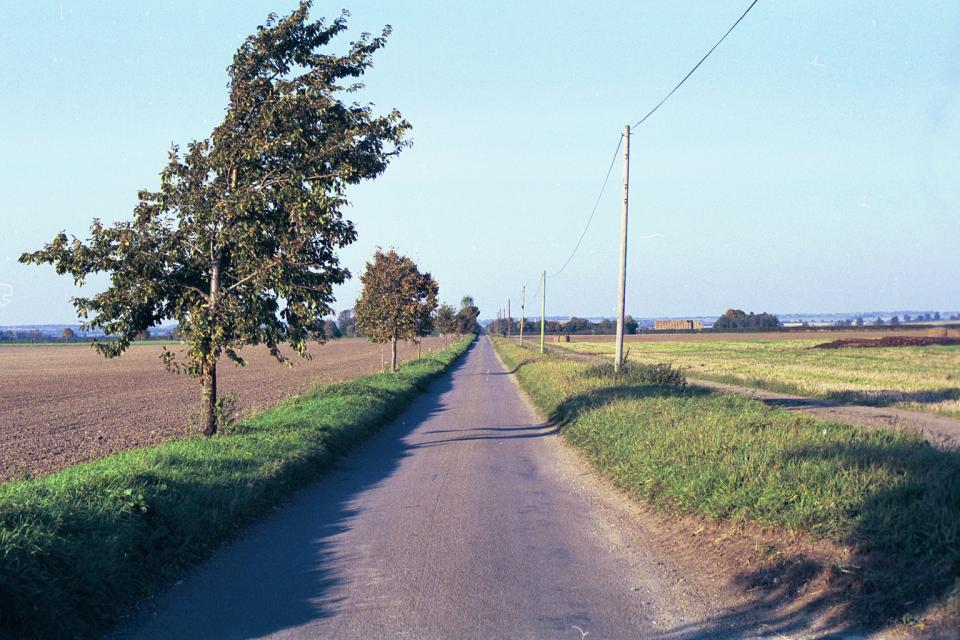
Low lying, but gently rolling arable landscape, dissected by small streams, with a distinctive pattern of nucleated villages and a patchwork of woodlands and shelterbelts.
Location:
Located in the central part of the East of England, where it is often associated with Rolling Chalk Hills.
Physical environment
Landform:
Low lying, gently rolling topography.
Natural / water features:
Small streams, often tree lined, create shallow valleys.
Vegetation and land use
Ecological character:
Although this is a productive agricultural landscape of moderate relief, favouring arable agriculture, fragments of lowland calcareous grassland still survive (> 2% of the LCT is Priority Habitat).
Primary land use :
Predominately arable land use.
Tree cover:
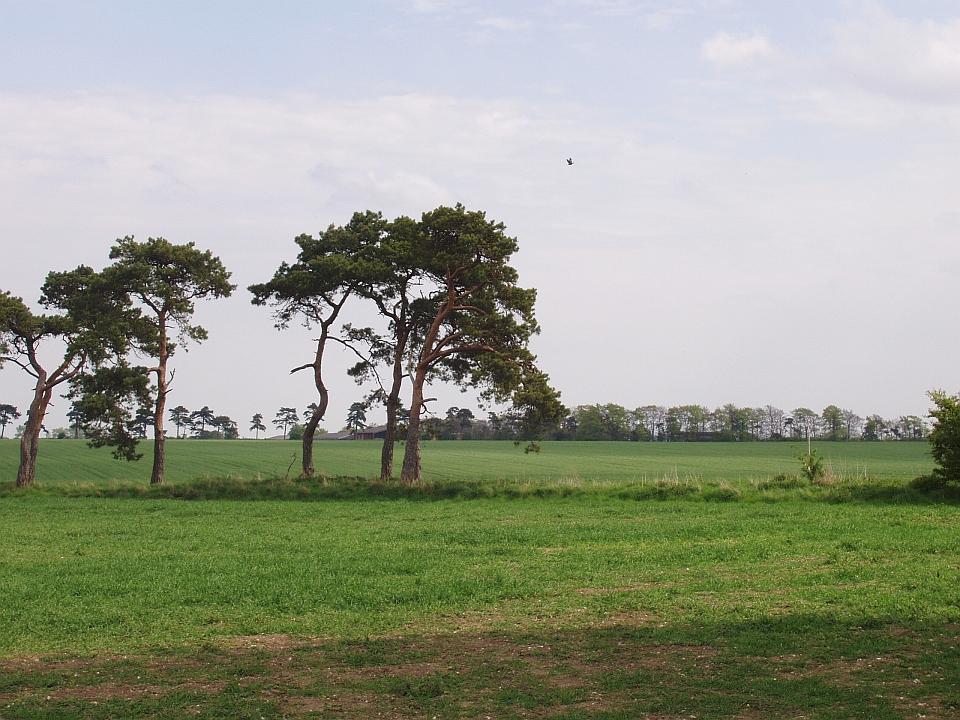
Limited woodland cover, except around Newmarket where shelterbelts are a feature.
Cultural pattern
Historic features:
Historic stone churches in nucleated villages act as local landmarks.
Enclosure pattern:
Medium to large sized fields enclosed by hawthorn hedges. Field structure is a mix of rectilinear & sinuous patterns, reflecting the process of planned surveyor enclosure from common fields.
Settlement pattern:
A distinctive pattern of historic, nucleated villages with prominent churches. Some villages have grown bigger in the 20th century, while larger towns, such as Cambridge, Newmarket and Royston contribute to an urbanising influence.
Building materials include flint, clunch and pale brick.
Historic development :
This is a landscape dominated by late enclosures, most of which were created from common fields. Some enclosures represent early piecemeal enclosure of common fields. All have experienced significant modification from the mid 20th century.
Perceptions
Tranquility:
A settled landscape yet one where tranquillity can readily be perceived.
Views:
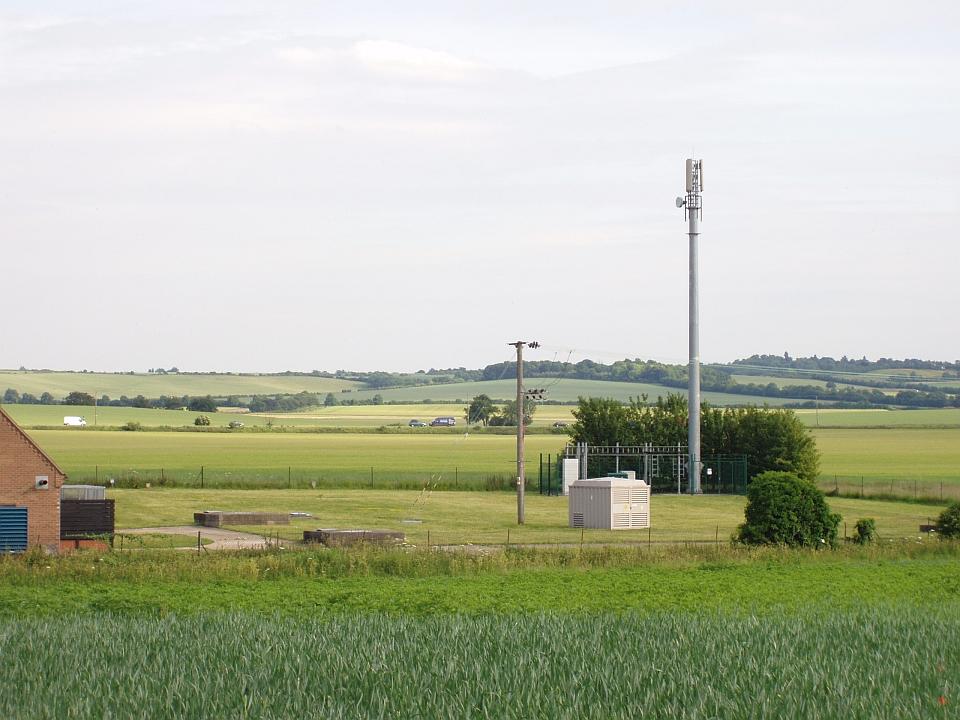
An open landscape with long distance views.